Incredible US Snorkeling Spots That Aren't Hawaii or Florida's Reefs
Every time someone asks about snorkeling in the US, the conversation goes exactly the same way: Hawaii or the Florida Keys. And look — those places are incredible. We're not here to talk you out of them. But if you've already done the coral triangle near Molokini or floated over the reefs at John Pennekamp, you might be ready for something a little less expected.
The continental United States is sitting on a treasure chest of underwater experiences that most travelers completely ignore. Some of them are logistically easy. Some require a little more planning. All of them are worth the effort. Here's where we'd send the adventurous snorkeler who's ready to go off-script.
Catalina Island, California — Kelp Forests Like Nowhere Else
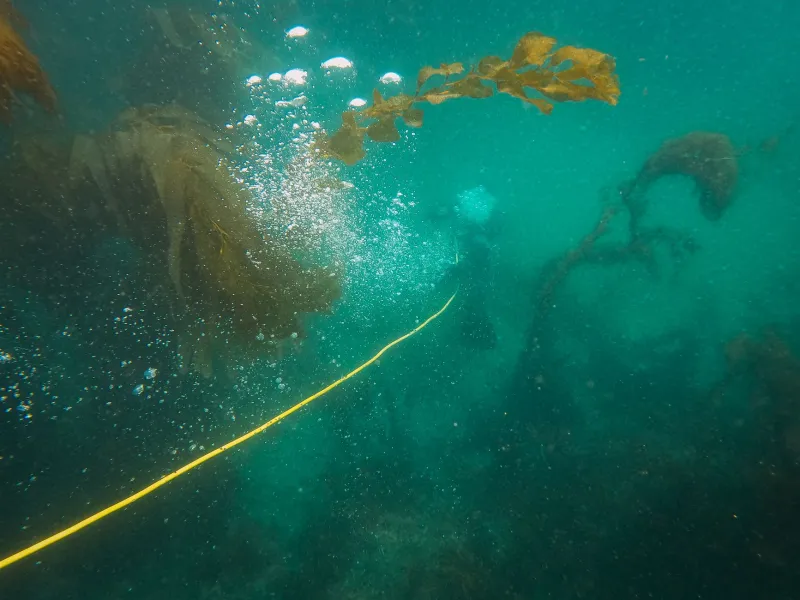
About 22 miles off the coast of Los Angeles, Catalina Island offers some of the most visually dramatic snorkeling in the country — it just doesn't look like anything you'd see in the tropics. Instead of coral, you're swimming through towering kelp forests that filter sunlight into cathedral-like columns of green and gold.
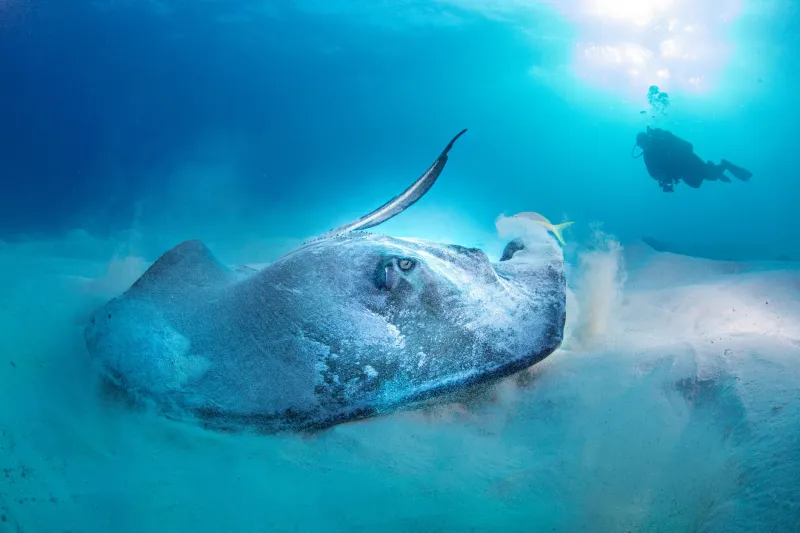
The water off Catalina is cold (plan on a wetsuit, especially outside of summer), but the visibility is often exceptional. Garibaldi fish — bright orange and protected under California law — are practically the mascots of the island's underwater scene. You'll also encounter kelp bass, sheephead, bat rays, and the occasional harbor seal who seems completely unbothered by your presence.
Two Harbors and Lover's Cove near Avalon are the most accessible snorkel spots, but if you're willing to explore, you'll find coves along the island's less-visited backside that feel genuinely remote. Take the ferry from Long Beach or San Pedro and plan to stay at least a night — this island rewards those who linger.
Ginnie Springs, Florida — Yes, This One Counts
Okay, technically this is Florida, but it's nothing like the reef snorkeling most people associate with the state. Ginnie Springs is a freshwater spring system in the northern part of the state near High Springs, and it belongs in a completely different category from what you'll find in the Keys.
The water here comes out of the earth at a constant 72 degrees and a visibility that borders on surreal — sometimes exceeding 100 feet. You're not looking at coral or tropical fish. You're peering into ancient limestone caverns, watching turtles glide through crystal-clear current, and drifting past freshwater eels and bass in water so clear it barely seems real.
For snorkelers (as opposed to cave divers), the spring runs and shallow cavern entrances are accessible without any technical certification. It's a genuinely different kind of underwater experience — quieter, more meditative, and completely unlike anything you'd find at a beach resort.
The Florida Panhandle's Gulf Coast — Clearer Than You'd Expect
While most Florida snorkeling attention goes south, the Panhandle's Gulf Coast is quietly offering some excellent shallow-water experiences. Destin and Panama City Beach have reputations as party destinations, but venture a little further and you'll find spots like Grayton Beach State Park and St. Andrews State Park where the emerald-green water is remarkably clear and the seafloor holds more life than its sugar-white appearance suggests.
Nearby artificial reefs — sunken ships and structures placed intentionally to create marine habitat — have developed into surprisingly rich ecosystems. Snorkeling over the shallow sections of these reefs, you'll find spadefish, amberjack, and a rotating cast of reef fish that rivals some of the more famous Gulf destinations.
Lake Tahoe, California/Nevada — Freshwater Clarity at High Altitude
This one surprises people every time. Lake Tahoe isn't a marine destination — there are no coral reefs, no rays, no tropical fish. But the lake's legendary clarity (visibility can exceed 70 feet on calm days) creates an underwater environment that's genuinely fascinating for snorkelers willing to handle cold water.
The boulder fields along Tahoe's shoreline are covered in freshwater algae and populated by crawfish, small fish, and the occasional large trout. The light plays differently in freshwater at elevation, and on a sunny day, snorkeling the rocky coves near Sand Harbor on the Nevada side feels otherworldly. Water temperatures in summer hover in the low 60s, so a wetsuit is non-negotiable — but the payoff is a snorkeling experience that's unlike anything else on this list.
Dry Tortugas National Park, Florida — Remote, Pristine, and Worth Every Bit of Effort
Seventy miles west of Key West, accessible only by seaplane or ferry, the Dry Tortugas sit in a category of their own. The remoteness is the point. Because getting there requires real commitment, the reefs here see a fraction of the pressure that more accessible Florida spots endure. The result is some of the healthiest and most vibrant shallow-water coral in the entire Southeast.
The waters around Garden Key and Loggerhead Key are loaded with sea turtles, nurse sharks, barracuda, and reef fish in numbers that feel almost impossible by modern standards. The snorkeling directly off the beach near Fort Jefferson is accessible to beginners, but the real magic is out near the moat wall and the surrounding reef structures. Plan your trip around the ferry schedule and consider camping overnight on the island — waking up to that water with the crowds gone is a bucket-list-level experience.
Olympic Peninsula Tide Pools, Washington — A Different Kind of Underwater World
If traditional snorkeling isn't your only interest, the tide pools along Washington's Olympic Coast deserve serious attention. These aren't snorkeling spots in the conventional sense — the Pacific Northwest waters are cold, the surf can be rough, and much of the action is accessible at low tide without ever getting fully submerged.
But for the curious naturalist, places like Rialto Beach and Kalaloch offer tide pool ecosystems that are genuinely extraordinary: purple sea urchins, giant green anemones, sea stars in multiple colors, and hermit crabs of every size. If you're comfortable in cold water and have a good wetsuit, some of the calmer coves near La Push offer legitimate snorkeling with extraordinary marine diversity.
The Takeaway
The US coastline is longer and more varied than most people realize, and the freshwater systems hiding in the interior add another dimension entirely. Whether you're chasing kelp forests off Southern California, drifting through crystal spring water in North Florida, or peering into tide pools on the Washington coast, the country offers a snorkeling adventure for every kind of water person.
The best trip isn't always the most obvious one. Sometimes it's the spot that nobody in your friend group has been to yet — the place where you come home with stories instead of the same photos everyone else already has. Start planning. There's a lot of water out there.